
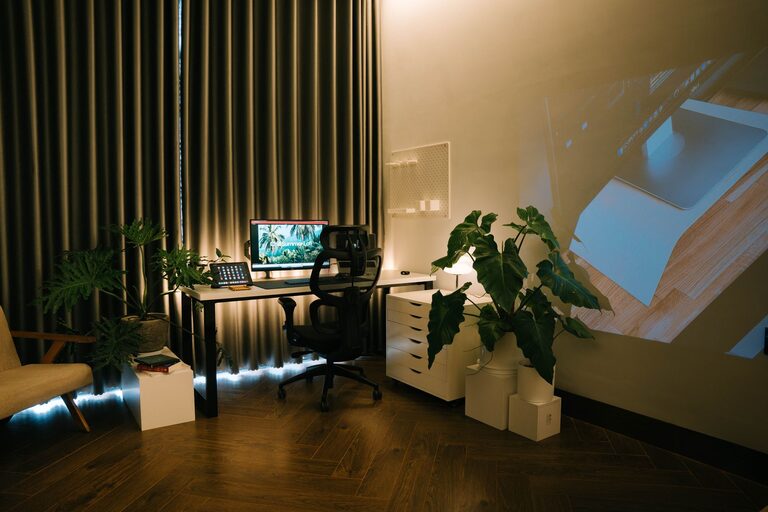
How to Create a Relaxing Home Workspace for Better Focus
Creating a relaxing home workspace is essential for maintaining focus and reducing stress, especially when you spend long hours working from home. A space that feels calm and organized can help you stay motivated and productive throughout the day. Whether you have a dedicated room or a small corner, you can transform it into a soothing environment with some thoughtful adjustments. Here’s a complete guide to help you create a home workspace that promotes relaxation and efficiency.
Why a Relaxing Workspace Matters
Your work environment has a direct impact on your mental state and productivity. A cluttered, noisy, or uncomfortable space can increase stress and make it harder to concentrate. Conversely, a relaxing workspace helps you feel calm, focused, and energized, reducing fatigue and boosting creativity. This is especially important when working remotely, where boundaries between home and work life can easily blur.
Step 1: Choose the Right Location
Consider Natural Light
Whenever possible, set up your desk near a window. Natural light has many benefits, including improving mood and reducing eye strain. Position your workspace so that light doesn’t reflect directly on your computer screen, which can cause glare.
Minimize Distractions
Select a quiet area where you’re less likely to be interrupted by household noises or traffic. If you don’t have a separate room, use noise-canceling headphones or soft background music to block distractions.
Step 2: Invest in Comfortable Furniture
Ergonomic Chair and Desk
Comfort is key to staying relaxed and avoiding physical strain. Choose an ergonomic chair that supports your lower back and allows you to sit with your feet flat on the floor. Your desk height should allow your arms to rest comfortably at a 90-degree angle while typing.
Adjustable Setup
If possible, use a sit-stand desk or an adjustable chair to alternate your position during the day. Changing your posture helps prevent stiffness and keeps you feeling refreshed.
Step 3: Organize and Declutter
Keep Essentials Handy
Limit the items on your desk to things you use regularly, like your computer, notebook, and a pen holder. Store other supplies in drawers or shelves to maintain a clean surface.
Use Storage Solutions
Incorporate organizers such as trays, baskets, or filing cabinets to keep papers and cables tidy. Label containers to make it easy to find what you need.
Regularly Clear Your Space
At the end of each day or week, take a few minutes to tidy up. A clutter-free workspace helps your mind feel clear and focused.
Step 4: Add Calming Elements
Choose Soothing Colors
Use soft and neutral colors for your walls and furniture. Colors like light blues, greens, and earthy tones create a peaceful atmosphere and reduce eye strain.
Incorporate Plants
Adding greenery can improve air quality and bring a sense of calm. Easy-care plants like succulents, snake plants, or peace lilies are great for busy workspaces.
Use Aromatherapy
A subtle scent from essential oil diffusers or candles can enhance relaxation. Lavender, eucalyptus, and chamomile are popular choices that help reduce stress.
Step 5: Optimize Lighting
Layered Lighting
Combine natural light with artificial lighting. Use a desk lamp with adjustable brightness for focused tasks, and consider softer ambient lighting for the overall room.
Avoid Harsh Overhead Lights
Bright fluorescent lights can be harsh and tiring for your eyes. Replace them with warm LED bulbs or indirect lighting to create a more inviting environment.
Step 6: Personalize Your Workspace
Display Inspiring Items
Add photos, artwork, or motivational quotes that make you happy and inspired. Personal touches make the space feel welcoming and enjoyable.
Limit Digital Clutter
Keep your computer desktop clean by organizing files and closing unnecessary tabs. Use apps that block distractions to stay focused.
Step 7: Take Regular Breaks
Follow the 20-20-20 Rule
Every 20 minutes, look at something 20 feet away for 20 seconds. This simple practice reduces eye strain and refreshes your focus.
Stretch and Move
Stand up, stretch, or take a short walk to keep your body active. Movement helps relieve tension and improves circulation.
Final Thoughts
Creating a relaxing home workspace doesn’t require expensive renovations or fancy gadgets. By paying attention to lighting, organization, comfort, and personalization, you can build a space that supports your well-being and work goals. Start with small changes and adjust as you go. A calm and inviting workspace will make your work-from-home experience more enjoyable and productive.
