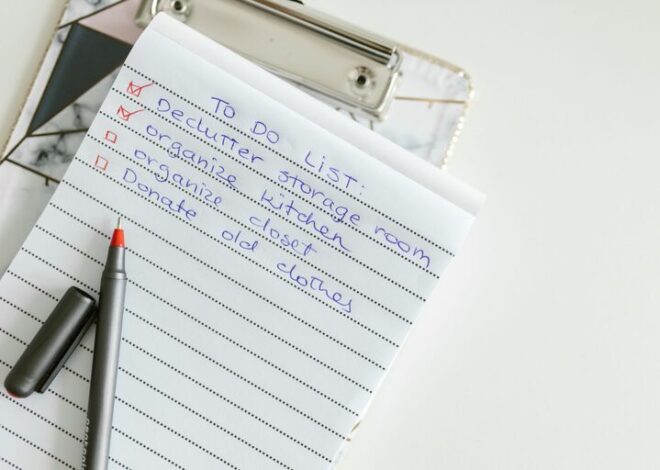

Practical Tips for Organizing Files on Your Computer
Keeping your computer files organized can save you time, reduce stress, and improve your overall productivity. Whether you use your computer for work, school, or personal projects, a well-structured file system helps you find what you need quickly and prevents clutter. In this post, we’ll share practical tips to help you organize your files efficiently and maintain a tidy digital workspace.
Why Organizing Your Files Matters
Before diving into how to organize files, it helps to understand why it’s important. A cluttered computer can slow down your workflow and make it difficult to locate important documents. Conversely, a clean and organized file system helps:
– Save time by reducing the need to search for files.
– Avoid duplicate files that waste storage space.
– Protect important information by keeping backups organized.
– Decrease stress caused by digital clutter.
Start with a Clear Folder Structure
One of the easiest ways to organize files is by creating a logical folder structure. Think of folders like physical filing cabinets — each should have a clear purpose.
Tips for a Folder Structure
– Use broad categories first: For example, create main folders such as Work, Personal, Photos, or Projects.
– Add subfolders to organize details: Within “Work,” you might have folders for Reports, Presentations, and Invoices.
– Keep folder names simple and consistent: Use clear and concise names like “2024_Taxes” instead of “Taxes Stuff.”
– Avoid deep nesting: Try not to create too many layers of folders, as it can be harder to find files buried deep inside.
Name Files Clearly and Consistently
File names play a crucial role in organization. A good naming convention makes files easy to identify without opening them.
File Naming Best Practices
– Include meaningful information in the file name, such as date, project name, or version number. Example: “MarketingPlan_2024_Q1.docx”
– Use underscores or hyphens instead of spaces to avoid compatibility issues.
– Avoid using special characters, as they might cause problems on some systems.
– Be consistent with the date format (e.g., YYYY-MM-DD) to keep files sorted chronologically.
Use Tags and Metadata (When Available)
Some operating systems and programs allow you to add tags or metadata to your files. These can help you quickly sort and search files without relying on folder structure alone.
– On Windows, you can add tags by right-clicking a file and choosing Properties > Details.
– On macOS, use the Tags feature by right-clicking and selecting a tag color or naming your own.
– Use relevant tags like “invoice,” “projectA,” or “final” to group files across folders.
Regularly Delete or Archive Unnecessary Files
Digital clutter accumulates quickly. Make it a habit to review and delete files you no longer need. For files that you want to keep but don’t need often, consider archiving them.
Archiving Tips
– Compress old files into zip folders to save space.
– Move archived folders to an external hard drive or cloud storage.
– Label archived files clearly so you know what’s inside without opening them.
Utilize Cloud Storage and Backup Solutions
Cloud services like Google Drive, Dropbox, or OneDrive can help you organize files and keep them accessible across multiple devices.
– Create mirrored folder structures in your cloud account.
– Use automatic sync features carefully to avoid duplicate files.
– Backup important files regularly to protect against data loss.
Take Advantage of Search and Sorting Features
Even with the best organization, sometimes you need to find something fast. Learn to use your system’s search and sorting tools effectively.
– Use specific keywords or tags when searching.
– Sort files by date, type, or size depending on what you need.
– Save frequent searches or create shortcuts for quick access.
Maintain Your System with Routine Checks
File organization is not a one-time task. Set regular reminders—monthly or quarterly—to clean up and reorganize your files as needed.
– Delete outdated files.
– Rename files to better reflect their content.
– Reassess your folder structure and update it if necessary.
Extra Tools to Help Organize Files
Consider using file management tools or apps designed to help streamline the organization process.
– File renaming utilities can batch rename multiple files following your naming conventions.
– Duplicate file finders help identify and remove copies.
– File sorting apps can automatically move files into folders based on rules you set.
—
Final Thoughts
Taking the time to organize your computer files can have lasting benefits. A clean and well-structured system makes your digital life easier and enhances your focus. By creating a clear folder structure, naming files consistently, utilizing tags, and practicing regular upkeep, you’ll enjoy a more efficient and less cluttered computer experience. Start small, and build habits that keep your files orderly over time.